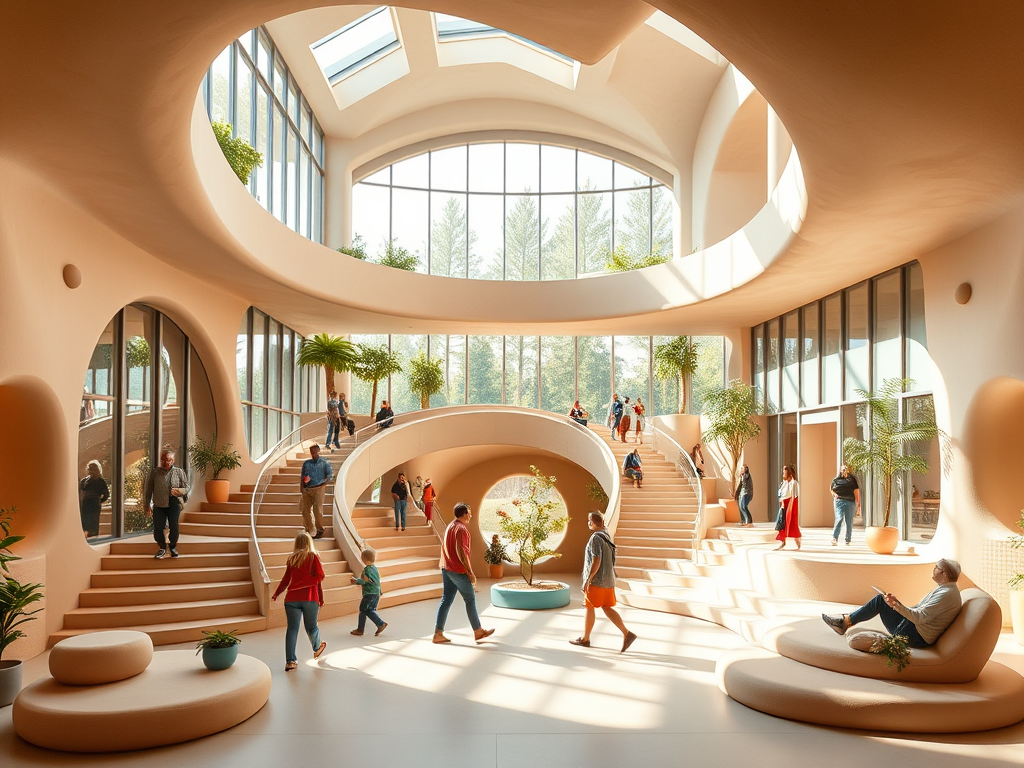
montessori insights for intentional interiors
Maria Montessori is best known for transforming education, but her insights into human behavior extend far beyond the classroom. Among her most enduring contributions is her identification of core human tendencies — innate drives that shape how we learn, adapt, and engage with the world around us.
These tendencies are lifelong, universal, and foundational not only to human development but to how we experience space. When we design in harmony with these natural drives, our environments become more intuitive, empowering, and deeply life-giving.
The Core Human Tendencies
Exploration — Humans are naturally curious, drawn to investigate and understand their surroundings. This drive to discover fuels creativity, learning, and adaptation, leading us to seek variety, contrast, and opportunities for discovery in our environments.
Orientation — We have an innate need to know where we are, both physically and in relation to the world around us. Orientation provides a sense of safety and belonging, helping us feel grounded and confident as we navigate space.
Order — Like a toddler lining up cars or dolls in a perfect row, we are naturally drawn to creating order. An organized environment helps us process information, think clearly, reduce stress, and feel more emotionally grounded.
Work — Humans seek purpose through meaningful activity. The desire to engage our hands, minds, and hearts in productive effort connects us to our environments and communities, infusing daily life with meaning and satisfaction.
Activity — Engagement with our physical world through the hands and the body is essential to the way we experience and process life. We are wired to interact with our surroundings through movement and activity, keeping our bodies alert and our minds engaged.
Communication — We naturally desire connection and expression. Communication allows us to share ideas, feelings, and meaning with others, building community and shared understanding.
Imagination and Abstraction — Humans naturally process information, think symbolically, and envision possibilities beyond the concrete. Abstraction allows us to take what we know from experience and apply it to the unknown, sparking new ideas and solutions.
Self-Perfection — Perhaps the most profound of Montessori’s tendencies, this drive encourages us to grow, master skills, and realize our fullest potential. It’s the quiet inner pull toward wholeness, balance, and authenticity — an ever-evolving process of becoming.
Bringing Human Tendencies to Life in Design
When we translate these tendencies into design, they become a powerful framework for creating environments that respond to our natural drives — places that help us live, work, and connect with greater ease and purpose.
Encourage Exploration: Include layered, flexible, or interactive elements that invite curiosity and discovery — varied materials, shifting light, or partial sightlines that draw the eye toward what’s beyond.
Facilitate Orientation: Use clear circulation paths, visual anchors, and logical adjacencies that help people intuitively understand where they are and how to move through a space.
Support Order: Create environments that feel coherent, balanced, and predictable. Provide organization and consistency through well-defined storage, rhythmic visual patterns, and balanced layouts to bring harmony and calm to daily routines.
Enable Work and Activity: Create spaces that make movement feel natural and purposeful — accessible tools, functional work zones, and comfortable transitions that keep energy flowing.
Foster Communication: Structure environments to make connection feel natural — shared zones, inviting seating, and spatial relationships that encourage people to cross paths. Let the space support personal and collective expression through color, materials, display, and the stories those elements convey.
Stimulate Imagination and Abstraction: Offer open-ended spaces that can serve multiple purposes, along with quiet zones for reflection and opportunities for collaboration — nurturing creativity, problem-solving, and meaningful dialogue.
Nurture Self-Perfection: Build in choice, flexibility, and autonomy, allowing people to shape and refine their environments as they evolve. The act of improving the spaces we occupy is itself a process of self-perfection — one to which we are intrinsically drawn.
why it matters
When design aligns with human tendencies, space becomes more than a backdrop — it becomes an active partner in well-being, creativity, and connection.
- Homes designed to support order and activity promote calm and ease in daily life.
- Workplaces that foster abstraction and communication spark innovation.
- Community spaces that offer autonomy and expression strengthen belonging and growth.
- Hospitality spaces that facilitate orientation and encourage exploration help guests feel both grounded and curious, creating comfort and a sense of possibility.
Montessori’s insights remind us that humans shape their environments as much as their environments shape them. Thoughtful design respects and nurtures our natural drives — turning every room, pathway, and pattern of light into a quiet, steady guide that helps us thrive.
Leave a Reply